Pharmacy Museum
Totengässlein 3,
4051 Basel
Text by Salome
Rohner
The entanglement of colonial history and
medicine
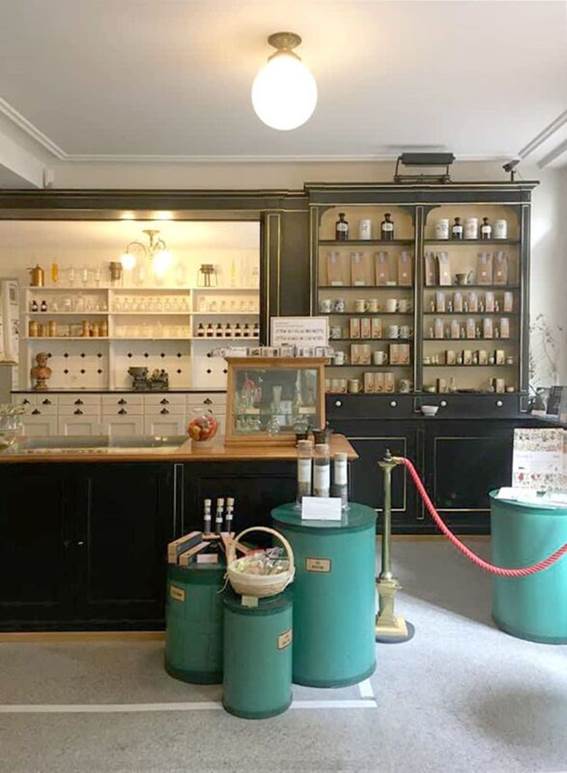
Figure 1 Entry Pharmacy Museum. Photo S. Rohner 22.10.2021.
You are standing in the court of the Pharmacy Museum of Basel that was
opened in 1924 as a scientific cabinet by the University of Basel. Its
collection is one of the most impressive in the world, which makes sense
considering that Basel is one of the global centers of biotechnology, with some
900 pharmaceutical and medical device companies. Pharmaceutical and medical
science early on relied on international exchange of knowledge and goods. The
meticulous gathering and ordering of natural materials are typical for
modernist practice that largely developed parallel to colonialism. The
classification and systemization of animals, plants and even people was a method of western modern science to introduce “Reason”
and controllable orderliness as a means of domination into the world. Numerous
drugs have been generated within and (re)defined by the process and experience
of colonialism. Raw materials, indigenous knowledge and cultural heritage were
extracted in regions under the control of colonial
powers at the service of western scientists and companies. The
possibility of treatment played a considerable role
in increasing the reach of imperial power, insofar as the possibility of treatment enabled colonial powers to
wage wars in different environments. This is shown by the example of the
Cinchona Bark, an early treatment for
Malaria, whose container is exhibited in the museum.
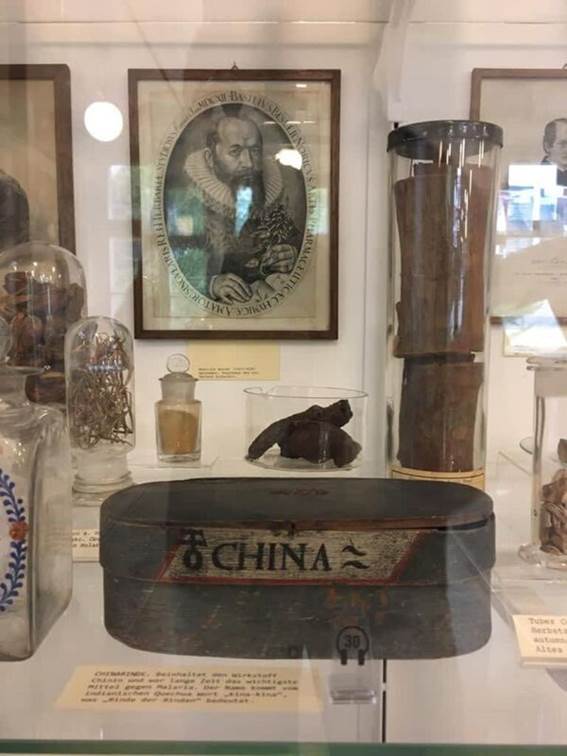
Figure 2 China bark. Photo S. Rohner 22.10.2022.
For a long time,
Malaria was a great danger for people all over the world, as the high fevers it
causes were very hard to treat. One example for an early antipyretic substance
is a natural remedy named Quinine, which grows in South America. The western legend tells that
the healing force of quinine found in the bark of the Cinchona tree was discovered in the Andes by Jesuits in 1631.
However, indigenous people had known the bark long before and had introduced it
to the Jesuits who renamed the concoction “Jesuits Powder” and earned a fortune
out of trading it in Europe. The new handle on malaria enabled the imperial
powers to wage wars in the tropical colonies without dying like flies. Thus,
quinine is frequently cited as an important “tool of imperialism” for the
British Empire in India, Jamaica, across South-East Asia and West Africa.
Needing the Malaria treatment for their colonial troops, the Cinchona tree was
lumbered in the Andes excessively, providing the Spanish imperialists with great
profits. The Basel based Pharma concern Roche is producing a Malaria
treatment named Mefloquin.
In the name of this Medicine the structurally related agent Quinine, is still
recognizable, even though the active ingredients are produced completely
synthetically today.
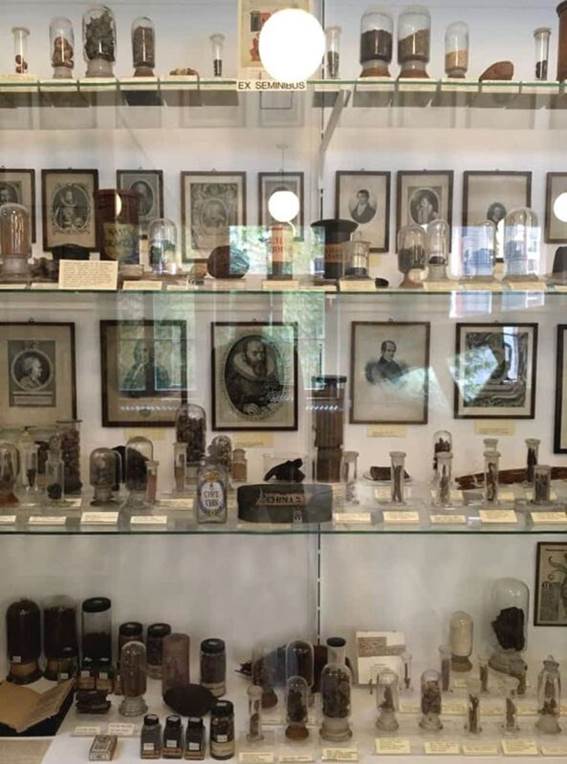
Figure 3 Vitrine in the museum with portraits. Photo S. Rohner 22.10.2021.
The portraits of doctors exhibited in the museum indicate another important theme in the
history of medicine and pharmaceutical sciences: the field is dominated by
white men. The one-sided influence on research, methods and practice results in
a severe power imbalance and does not recognize other
forms of knowledge. The white, male scientist is opposed to the
designated ‘others’, women and People of Color. The
intersection between sexism and racism can be seen very well in medicine.
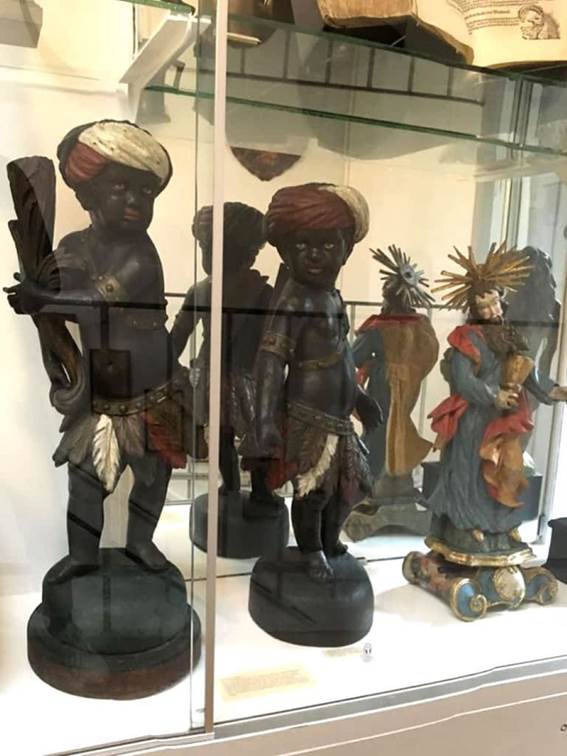
Figure 4 M*knaben. Photo S. Rohner 22.10.2022
If you wander through the museum, you can see two statues, so-called M*knaben (“Mohrenknaben”), dating
from the 18th century, were figures that usually were displayed on
the sales counters of Pharmacies to indicate that exotic goods were available.
The stereotypical representation, infantilization and exotic clothing show the
racist attitude towards People of Color. This signaling of foreign goods by
showing figures in this manner was something very typical. M*Apotheke” was a very common name for Pharmacies in
German-speaking areas in the 16th century, connoting the Islamic medical
science that was advanced at the time. Many pharmacies still use this name
today, even though it is known to be offensive and racist, with the unproved
explanation, that the name M* doesn’t relate to a Person of Color but
originates from Saint Maurice, a holy figure of Christianity.
These and many other exhibits help reading the past and present of the
medical disciplines through a colonial lens. In Basel, where the pharmaceutical
sector still dominates the local economy and cityscape, it is crucial to
understand how colonial ideas and heritage have influenced and continue to
influence the structures of power and profit in medicine.
References
Milbradt, F. (2016, May 16). Mohren-Apotheken.
Zeit Magazin Online. Retrieved 26 November 2021, from
https://www.zeit.de/zustimmung?url=https%3A%2F%2Fwww.zeit.de%2Fzeit-magazin%2F2016%2F21%2Fmohren-apotheke-deutschlandkarte
Monnais
L. 2019. The Colonial Life Of Pharmaceuticals. Medicines and Modernity in Vietnam.
Cambridge University Press
O’Neill P., Steeds L. and Wilson M. (2017)The Demodernising Possibility. MIT Press.
Traverso, V. (2020, May 28). The tree that changed the world map. BBC Travel. https://www.bbc.com/travel/article/20200527-the-tree-that-changed-the-world-map
University of Basel. 2021. Pharmazie Museum
Basel.
Wikipedia-Authors. (2018,
January 25). Mohrenapotheke.
Wikipedia. Retrieved 20 November 2021, from https://de.wikipedia.org/wiki/Mohrenapotheke